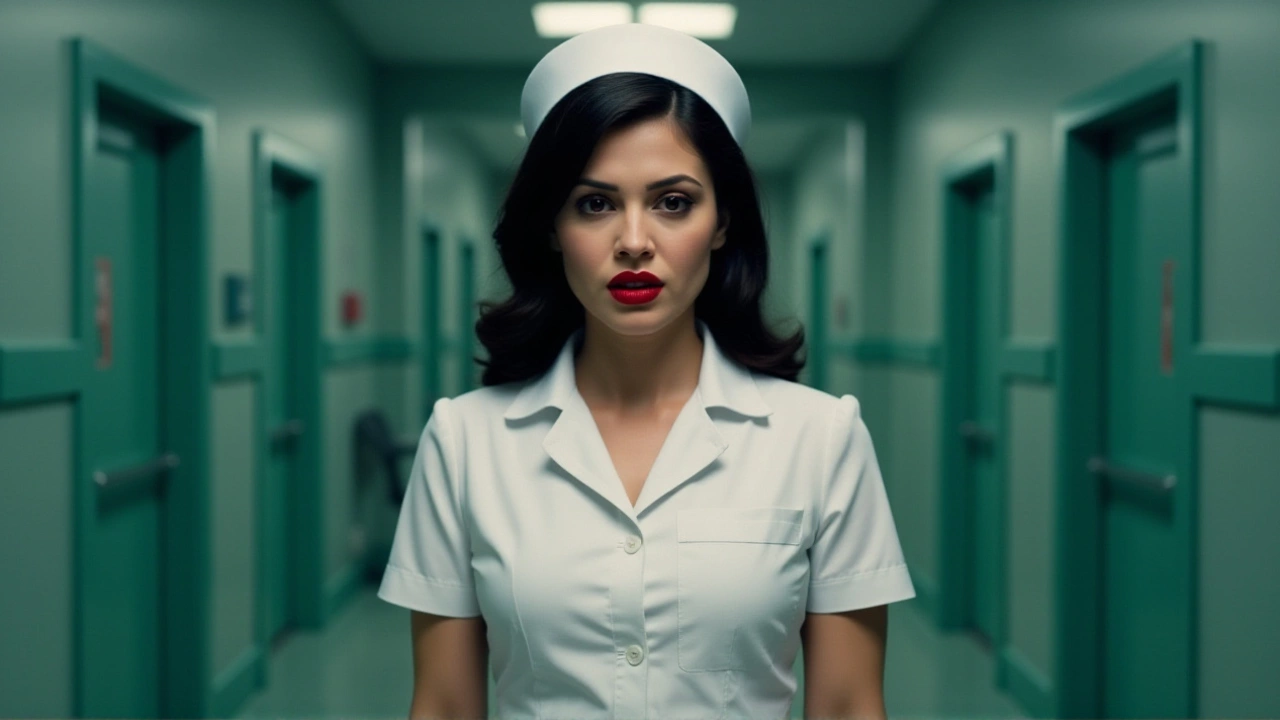
When Olivia Rodrigo, singer-songwriter dropped her second single, "the cure," on May 22, 2026, she didn't just release another pop hit. She delivered a stark warning about the limits of romance. The track, produced by longtime collaborator Dan Nigro, serves as the emotional centerpiece of her upcoming third studio album, You Seem Pretty Sad for a Girl So in Love. Unlike the euphoric opening single "drop dead," this song argues that falling in love won't fix your internal demons.
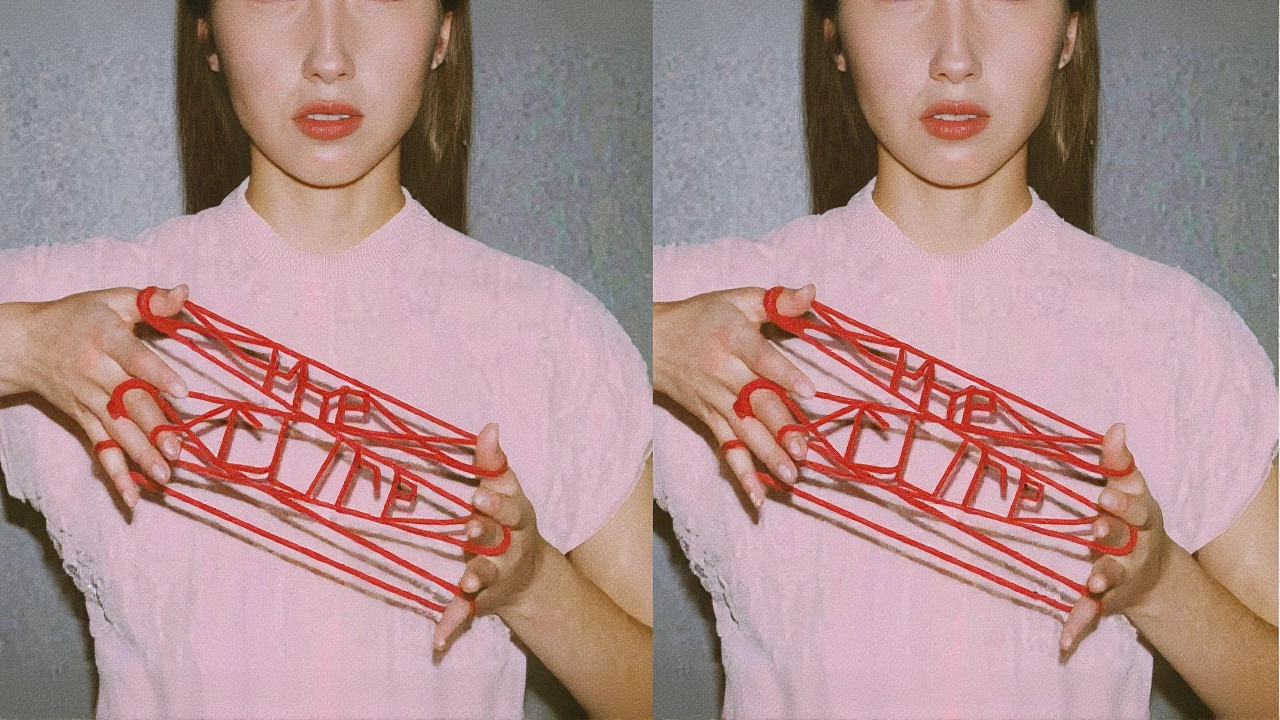
The rollout was meticulous. Fans first spotted lyrical teasers on May 18, 2026, with phrases like "why won't you come stitch me up?" appearing in a stitching-style font. Three days later, Rodrigo officially announced the single via Geffen Records, revealing artwork and a release date. By May 21, she sat down with iHeartRadio to explain the track’s deeper meaning before it hit streaming platforms worldwide.
A Narrative Climax, Not Just a Song
Here's the thing: Rodrigo isn't treating this album like a collection of disjointed tracks. She’s building a story. In her conversation with iHeartRadio, she described "the cure" as "kind of like the climax of the record." That’s a bold claim for a pop album, but it makes sense when you look at the progression.
The first single, "drop dead," captured the dizzying, idealized beginning of a relationship. It was all butterflies and infatuation. But "the cure"? It’s the hangover. It’s the moment the fantasy crashes into reality. Rodrigo told Elle magazine that the song explores the painful realization that "love cannot heal every insecurity or internal struggle." It’s a mature pivot from the teenage angst of her debut to a more nuanced understanding of adult relationships.
She put it bluntly: "When you’re younger, you think falling in love with someone will fix all of your problems. And then I think when you face love in reality, you realise that that’s not the truth." That quote alone does heavy lifting. It connects with anyone who’s ever tried to use a partner as a band-aid for their own anxiety.
Lyrics That Cut Deep
The imagery in "the cure" is visceral. We’re talking medical metaphors mixed with emotional decay. Lines like "But my head is full of poison, and my heart is full of doubt" paint a picture of someone who is mentally unwell despite being romantically involved. The recurring refrain, "It’ll never be the cure," hammers home the central thesis: romance is not therapy.
Elle magazine noted that these lyrics tap into feelings of self-doubt, anxiety, and emotional dependency. The teaser lyric, "why won't you come stitch me up?" suggests a desire for external repair, but the song ultimately rejects that idea. You can’t be stitched together by someone else’s affection if you’re fundamentally unraveling inside.
This isn’t just sad; it’s honest. It’s the kind of vulnerability that resonates because it’s uncomfortable. Most pop songs promise that love saves you. Rodrigo is saying, essentially, "Nope. You still have to do the work yourself."
The Production Partnership
Behind the scenes, the creative partnership between Rodrigo and producer Dan Nigro continues to yield gold. Nigro has been instrumental in shaping Rodrigo’s sound since her debut, blending rock influences with polished pop production. For "the cure," that dynamic likely translates to a soundscape that feels both intimate and expansive—mirroring the tension between personal isolation and romantic connection.
Geffen Records supported the release across multiple formats, including a 7-inch vinyl, cassette, digital download, and streaming. This multi-format approach caters to collectors while ensuring maximum reach for casual listeners. It’s a smart strategy for an artist whose fanbase spans generations.
Why This Matters Now
In a cultural moment where mental health awareness is high, Rodrigo’s message hits hard. We’re seeing more artists discuss therapy, boundaries, and self-work. "The cure" fits right into that conversation but adds a specific layer: the danger of expecting your partner to carry your emotional baggage.
Compare this to the early 2000s pop landscape, where heartbreak songs often focused solely on loss or longing. Today’s hits are more introspective. They ask, "Who am I outside of this relationship?" rather than just "Why did they leave me?" Rodrigo is leading that charge.
The broader impact? Listeners might start approaching relationships with healthier expectations. If love isn’t the cure, then what is? Self-awareness. Therapy. Time. The song doesn’t offer answers, but it forces the question.
What’s Next for the Album Era
With "the cure" setting the tone, fans are eager to see how the rest of You Seem Pretty Sad for a Girl So in Love unfolds. If this is the climax, what comes after? Resolution? Acceptance? Or further complication?
Expect more singles to drop in the coming months, each peeling back another layer of this narrative arc. The marketing campaign, with its cryptic teasers and visual motifs like the stitching font, suggests a cohesive artistic vision. Rodrigo isn’t just releasing music; she’s curating an experience.
For now, "the cure" stands as a poignant reminder that love is powerful, but it’s not magic. It’s messy, real, and sometimes, it’s not enough. And that’s okay.
Frequently Asked Questions
What is the main theme of Olivia Rodrigo's song "the cure"?
The core theme is the realization that romantic love cannot solve deep-seated personal issues like anxiety or self-doubt. Rodrigo explicitly states that while young people often believe love fixes everything, reality shows that internal struggles require individual healing, not just a partner's affection.
Who produced and co-wrote "the cure"?
The song was written by Olivia Rodrigo and produced by her long-time collaborator Dan Nigro. Their partnership has defined Rodrigo's sonic identity across her albums, blending pop sensibilities with rock-influenced instrumentation.
How does "the cure" fit into the album "You Seem Pretty Sad for a Girl So in Love"?
Rodrigo describes the track as the "climax" of the album's narrative. It follows the first single, "drop dead," which depicted the idealized start of a relationship. "The cure" represents the turning point where the fantasy fades and the harsh realities of personal insecurity emerge.
When was "the cure" released and by which label?
The song was officially released on May 22, 2026, by Geffen Records. It was available in multiple formats, including streaming, digital download, 7-inch vinyl, and cassette, following a teaser campaign that began on May 18, 2026.
What do the lyrics "why won't you come stitch me up?" mean?
These lyrics use medical imagery to express a desire for external repair. However, the song ultimately subverts this by asserting that no one can "stitch" or fix the narrator's internal wounds. It highlights the futility of seeking salvation through another person.